
“A big part of that journey with an adviser is establishing the trust and the rapport”
Jenny Campbell, �Finsure

“With a lot of advisers, especially early in their careers, they think the client scenario fits the training scenarios, but each client is different”
Jen Qu, MortgageGPT

“If you just focus on the settled loan only and leave [the client] there, it’s going to create a problem for you after a few years – clients will forget who you are as the adviser”
Luke Meintjes, �Finsure

“This business is not built on one-off deals. We need to provide consistent service to our customers over the long term”
Sue Liu,
Plaxo Mortgages

In Partnership with

Human connection
is the edge technology can’t replicate
As digital tools reshape how Kiwis buy homes, the mortgage advisers building thriving businesses are doubling down on something no algorithm can manufacture: genuine human relationships
Read on

Jenny Campbell
Finsure


Dylan Ferreira
Vega
Sue Liu
Plaxo Mortgages
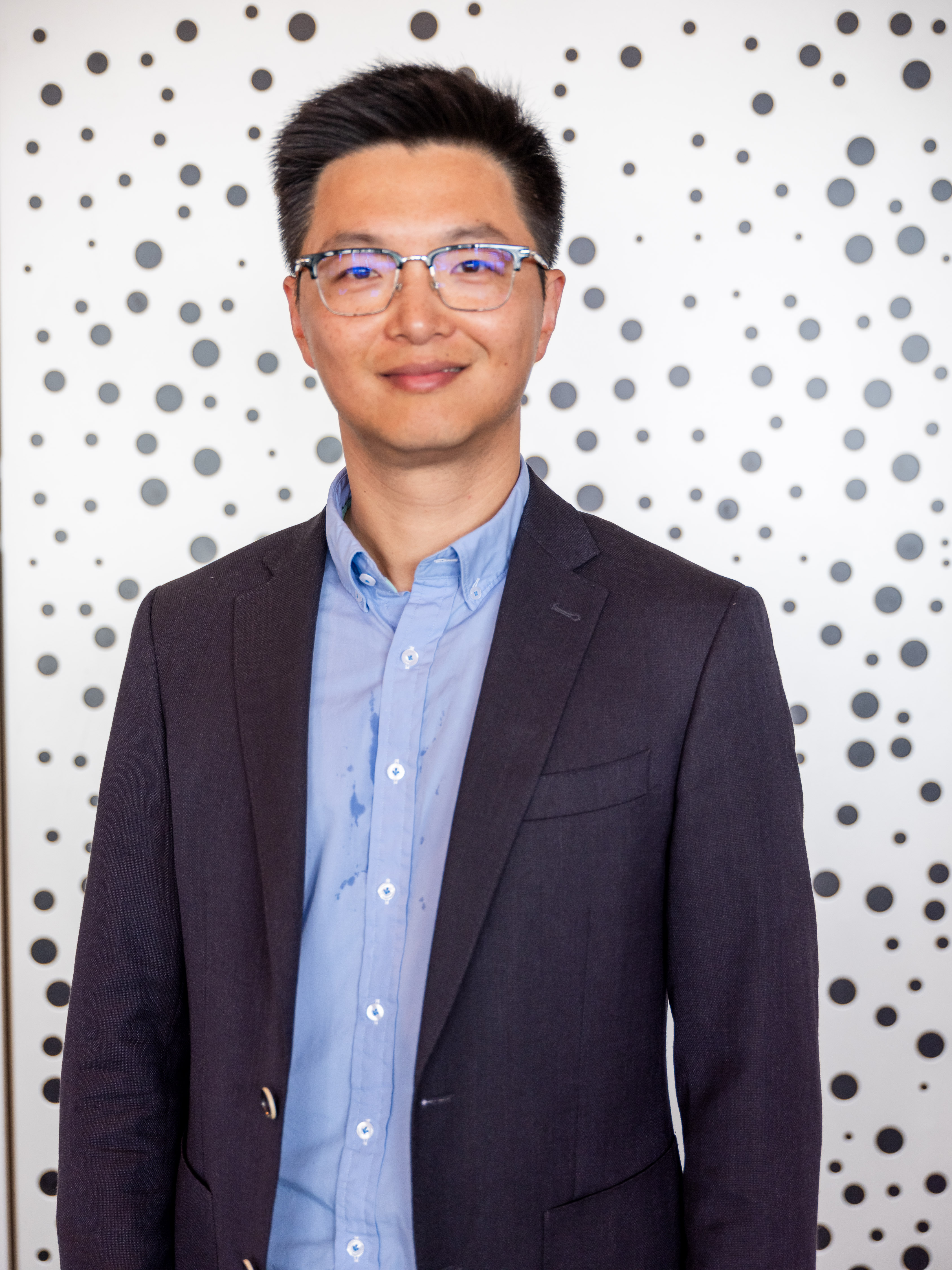
Tim Liu
Plaxo Mortgages

Industry experts
It was late in the evening, but Jen Qu, founder of MortgageGPT, knew it was essential that she drive over to meet a family recently declined by their bank for a loan to do some renovations. She had been given a basic list of facts about the case but suspected that, because it was a Polynesian family, there could be cultural and language barriers at play. What she found when she arrived changed everything.
�“At home, they had a young kid, just a graduate, working in a bank as a customer service rep,” she said. Noticing that the graduate lived in the same household, she advised the family to add the young person as a joint borrower. This changed the calculus for the mortgage, allowing it to be approved.
�It’s the kind of outcome that no online form could have produced. “With a lot of advisers, especially early in their careers, they think the client scenario fits the training scenarios, but each client is different,” Jen said. “You have to really talk to them, meet them in person and find their true needs and get a better solution for them. [You need to] keep the curiosity and keep the passion.” �
That instinct – to show up, to look, to listen – sits at the heart of what separates mortgage advisory businesses that grow from those that plateau. Technology has transformed how borrowers begin their home loan journeys, but the advisers at a recent NZ Adviser roundtable event held at Onemata Restaurant in Viaduct Harbour, Auckland, were unanimous: the screen must be a starting point, not a destination.
�Hosted by Finsure New Zealand, the discussion covered how advisers are building trust in an increasingly digital market, what genuinely drives business growth, the enduring power of face-to-face connection, how client data can deepen rather than replace relationships, the changing role of aggregators, and what adviser businesses of the future will look like.�
Finsure NZ is a dynamic mortgage aggregator that supports New Zealand mortgage advisers with a full suite of business tools and services. Launched in 2024, it draws on a rapidly growing Australasian Finsure Group network to offer CRM technology, compliance support, a lender panel, bespoke marketing, training and flexible commission structures tailored to individual adviser needs. Finsure NZ aims to help advisers grow sustainable advisory businesses, navigate regulatory complexity and deliver high-quality mortgage advice nationwide.
Find out more
ROUNDTABLE
Top
Insight Leaders
Overview
General Stats
Insights
Heading up the New Zealand arm of one of Australasia’s largest mortgage adviser aggregators, Jenny Campbell is a familiar face to many in the NZ lending community. Having previously run the peak professional bodies in the financial adviser space, as well as a large, branded mortgage broker group, she brings a wealth of experience and is a relentless cheerleader for advisers and a champion of the power of ‘great advice’.
Finsure
Jenny Campbell
Dylan Ferreira is a partner and financial adviser at Vega and the founder and CEO of buythebook, a first-of-its-kind fintech marketplace transforming how mortgage, insurance and wealth advisers buy and sell their client portfolios. With over a decade in financial services, Ferreira combines hands-on advisory experience with a passion for innovation and technology. Through Vega, he helps clients achieve their financial goals with a professional yet personable approach, while buythebook reflects his mission to bring transparency, efficiency and fair value to the industry. Outside of work, Ferreira is driven by family, sport and building meaningful connections.
Vega
Dylan Ferreira
Sue Liu is head of business development at Plaxo Mortgages Ltd, with over 10 years of experience in the financial services industry. She holds a Bachelor of Finance from Massey University. Liu oversees business operations, including managing relationships between financial advisers and lenders and coordinating training sessions and policy updates with major banks. She also leads external partnerships and company initiatives and manages the internal support team. With strong expertise in business management, bank relationships and commercial lending, Liu brings strategic insight and industry knowledge to support sustainable growth.
Plaxo Mortgages
Sue Liu
Tim Liu is a financial adviser at Plaxo Mortgages based in Auckland. He has been working in the mortgage space for over 12 years, including six years in frontline banking and over a year in credit assessment. That background has given him a balanced perspective from both the client and lender sides. In his current role, Liu works across residential and investment lending, as well as some development finance, supporting clients through what is often a complex and uncertain process. His focus is simply on providing clear, practical guidance so clients can make informed decisions with confidence.
Plaxo Mortgages
Tim Liu
Share


Published 11 May 2026

Susie Signal
Vega
Jen Qu
MortgageGPT
Luke Meintjes
Finsure

US
CA
AU
NZ
UK
ADVERTISE
SUBSCRIBE
Events
NZ Adviser Talk
Premium content
Resources
TV
Specialist lending
SME
Reverse
Residential
Commercial
Aggregators
FOCUS
Best in Mortgage
Market updates
Industry trends
Industry moves
Guides
Business growth
Mortgage Industry
News
Companies
People
Newsletter
About us
Authors
Privacy Policy
Cookie Policy
Conditions of Use
Terms & Conditions
Contact Us
Sitemap
RSS

Copyright © 1996-2026 KM Business Information NZ


With over 25 years at the frontline of the finance industry, Susie Signal has the skills and experience to help clients achieve their homeownership or investment goals. Her passion is to help people build wealth through property ownership and investment. From high-profile customers to first home buyers, she will work with you to understand your financial needs, then help you source the best home loan to suit these needs from the largest panel of lenders in New Zealand. “I’m here to help my clients reach the best possible outcome!” she says.
Vega
Susie Signal
Jen Qu is the founder of MortgageGPT, a boutique mortgage advisory firm built on the belief that great advice is powered by great people together. With over a decade of experience in residential and commercial lending, she specialises in helping clients achieve both short-term goals and long-term financial flexibility. Jen is known for her people-first approach, combining professional expertise with a deep understanding of client needs. She works closely with homeowners, investors and business owners and is passionate about delivering clarity and confidence in an increasingly complex lending environment.
MortgageGPT
Jen Qu
Luke Meintjes is a seasoned business development professional and the BDM for Finsure New Zealand, where he champions relationships between advisers and the award-winning aggregator. With over 30 years’ experience in financial services, Meintjes has held senior commercial and relationship roles across New Zealand and Australia, including as business development and relationship manager at Heartland Bank and sales manager at Mortgage Express. His deep industry knowledge, focus on adviser support and commitment to fostering trusted partnerships have earned him recognition among NZ’s top aggregator BDMs, including as a New Zealand Mortgage Awards 2026 Excellence Awardee finalist for Best Aggregator BDM.
Finsure
Luke Meintjes
“Once you’ve met [customers] face-to-face, you’ve been in their business, you feel a lot more invested and able to help them on that journey”
Dylan Ferreira,
Vega
“I always see a refix as a very important way to interact with the customer. Not only to service this particular customer but also to develop more opportunities”
Tim Liu,
Plaxo Mortgages
“Customers share their experiences with their friends, family and work colleagues, and they refer accordingly”
Susie Signal, �Vega Mortgages
What good advice actually looks like�For borrowers drowning in online information, the adviser’s first job is to make sense of the noise.
�“In an environment where there’s information overload online, being able to connect with somebody – understand their personal needs, their personal journey – and being able to translate the information that they get into their real life, I think that is key for us,” said Dylan Ferreira, a financial adviser at Vega.
Sue Liu, head of business development at Plaxo Mortgages, sees the same pattern with her clients. Many arrive confused by financial terminology they have encountered online.
�“The financial terms are very complex – sometimes they can’t understand what’s online – so they need someone to translate, use their language to let them understand, and also take a complex situation and make it simple,” she said.
Jenny Campbell, country manager at Finsure New Zealand, frames it as a question of trust built from the very first exchange. That trust, she argued, begins with the adviser’s ability to read the person in front of them.
�“It’s about making that human connection from the start and putting people at ease,” said Campbell. “A big part of that journey with an adviser is establishing the trust and the rapport.”
�Jen Qu pointed to another dimension of the adviser’s role that distinguishes regulated advice from the swirl of information available online. The responsibility is not just practical but ethical.��
“A lot of information online right now is not regulated,” she said. “From my role, I will ask the client the right questions and help them identify which information is useful for them, filter the noise for them – and my advice is regulated. I will take the responsibility for the clarity of my advice.”
The real drivers of business growth�Ask any of these advisers what really grows a book of business, and the answers converge quickly: referrals, reviews and relationships – none of which happen by accident.
�
Susie Signal, mortgage adviser at Vega, has seen first-hand how personal recommendations outperform any marketing spend. “Great customer experiences are few and far between,” she said. “In my experience, customers share their experiences with their friends, family and work colleagues, and they refer accordingly.”�
Tim Liu, a financial adviser at Plaxo Mortgages, takes a disciplined approach to client retention that he believes most advisers underestimate. Rather than chasing new leads, he focuses almost entirely on maintaining existing relationships through structured reviews.
�“To retain a business is a lot easier than to get new business, to be honest,” said Liu. “Because by retaining a business, you’ve already got the existing relationship with a customer. So as long as they have trust in you, and you provided a good-quality service to them in the past, then it’s easier to keep the business and grow from that point.”�
Luke Meintjes, business development manager at Finsure New Zealand, added that the database most advisers already hold is one of their most underused assets. The risk of inaction is real.
�“If you just focus on the settled loan only and leave them there, it’s going to create a problem for you after a few years. Clients will forget who you are as the adviser,” said Meintjes. “Being able to go back to the database and do those reviews with a broader viewpoint in mind is key to growing your business.”
�Ferreira identified three levers he has seen drive genuine scale: strategic acquisition of quality books from departing advisers, a strong referral network of accountants, solicitors and real estate agents, and consistent high-quality client interactions.
��
Sue Liu added that consistency of service is what converts a single transaction into a long-term client relationship – and it requires deliberate investment from the top of a business.
�“This business is not built on one-off deals. We need to provide consistent service to our customers over the long term,” she said. “Our company provides training to ensure that all our financial advisers meet a consistent standard and deliver a high level of service.”
�Jen Qu described her own evolution from transactional adviser to relationship-driven business owner as the defining shift of her career. Ten years in, the priorities look very different from where she started.
“At first, when I just entered the industry, my goal was very simple: deliver the result; make it settled,” she said. “With time passing, I pay more attention to relationship-keeping with the client, with the lenders, with the referrals, with the aggregator. The fundamental thing, I think, is to keep learning, evolving with your client needs and keeping a genuine relationship [with them].”
�Why face-to-face still wins�There are deals that simply cannot happen on a screen. Ferreira recently visited a client inside their business – a company that was struggling – and describes the shift in perspective it created.�
“Every client interaction you have is a potential referrer,” said Ferreira. “There are countless times that I can remember where you’d help somebody and they’ve got a brother or a sister or a family member, a colleague. Every interaction that you have is an opportunity to grow your business.”
Campbell pointed to another growth lever that many advisers resist: letting go. “I’ve seen advisers being able to scale their business through just smarter processes and often relinquishing the control of doing everything themselves,” she said.
�Whether through loan writers onshore or offshore, or better systems, the principle is the same: free up time for the work that only a human can do.�
“Being able to be there, you actually feel invested far more, being able to look and feel and see what they’re doing and look at the people they’re employing,” he said. “Once you’ve met them face-to-face, you’ve been in their business, you feel a lot more invested and able to help them on that journey.”
�One often-overlooked dimension of in-person meetings is advice quality – the protection it affords against financial coercion.
“Those face-to-face meetings can really help identify vulnerable clients,” said Campbell. “It’s nice to be able to lock eyes on a client and really get a feel for what is the genuine situation, rather than just being told by potentially one person in that transaction about what is real. We get cues from body language too, as to what’s going on – and that’s hard to gather off a Teams call or a phone call.”�
Signal finds that clients are simply more relaxed when they are in their own environment. “You get to meet people in their own settings, and they’re a lot more comfortable. It’s an artificial world talking to a video screen for most of us,” she said. “Many of our clients are not 22 – they’re 52, and they’re used to face-to-face dealings.”
�Tim Liu echoed this, noting that in-person conversations tend to run longer and yield more. When a meeting is scheduled by video, it tends to be time-boxed. In person, people talk more freely.
�“When you set up a face-to-face appointment with the customer, normally you will leave a little buffer,” said Liu. “More time [helps you] to try to understand what they need and to help them properly.”
�Sue Liu described how in-person meetings allow her team to respond to what a client is feeling, not just what they are asking. Body language tells a different story to an enquiry email.
�“When we meet in person, from their reactions we can adjust our strategy based on real reactions,” she said. “Sometimes, through text or a phone call, they’re always asking about pricing and terms – they’re focused on the pricing. But when we meet in person, we can explain more, and they will follow our strategies and our plan and make the right choice.”�
Meintjes highlighted a community initiative at Finsure that brings advisers together in a way that goes well beyond industry networking.
�“We go over and above in embracing the community with women in Finsure,” said Meintjes. “We have regular events, regular meetings with them, and it’s a very good opportunity for women from all walks of life to get together and share their experiences.”
�Using data to deepen relationships�The best advisers treat data not as a reporting tool but as a conversation starter. Signal’s go-to is deceptively simple.
“The bank statements, the bank statements, the bank statements – they just tell you so much about the person you’re trying to help,” she said. “Really looking at their spending behaviour and how they’re currently banking can give you some insight into who they are and what opportunities they might have to improve how they are operating their finances.”
Meintjes made the case for going further, embedding personal details directly into the CRM. Small details, noted at the right moment, can open doors that a rate review alone never would.
�“If it’s a fixed rate coming up and you’re doing a rate review, don’t just treat the review as being the key. Know a little bit more about the client,” he said. “Just knowing something that they may have said as a one-off to you, and you remember that and put it down in your notes – clients notice when you remember things about them they told you once, casually. You’re able to refer back to that; this makes them feel like a person and not just like a file.”
�Campbell argued that advisers who are solely focused on the transaction in front of them are leaving significant opportunity on the table. A client who runs a business, for example, may have equipment finance needs, commercial property ambitions or working capital requirements that never get discussed.
“We hold so much information about these clients,” said Campbell. “Where is their car financed? What are their insurance needs? All of these things are sitting there, but we’ve got to have the time and the processes to maximise those other opportunities that are just sitting in those databases.”
�Tim Liu sees the refix conversation as one of the most underrated client touchpoints in the business – not just a compliance obligation but a chance to deepen loyalty and unlock referrals.
�“I always see a refix as a very important way to interact with the customer,” he said. “Not only to service this particular customer but also to develop more opportunities – and it’s also a very good opportunity to introduce yourself to them and then to ask for referrals.”
�
“If you wanted to go on holiday, previously everyone would go to a travel agent. You’d sit down in front of the desk, and you’d plan your holiday with that person,” Campbell said. “The internet came along, the third-party booking sites came along, the airlines started going direct to consumer. But it only takes one disaster in one country for people that have booked their own hugely expensive trips overseas to see how terrible it is to try and get hold of a person when the proverbial hits the fan. That human – being able to know that you’ve got someone that you can trust and rely on when you need help or when you need good advice – is gold. And I don’t think that will ever change.”
�Signal was equally direct about where she sees competitive advantage sitting. “The more the world becomes tech and AI-driven, the more people will seek out a person to truly understand their unique circumstances and [someone] they trust to put their interests first,” she said. “I’m going to put their interest first, not the algorithm.”
Meintjes is equally sure of where advisers’ true value lies ahead. “Those who thrive will use digital tools to become more human,” he said. “AI is not here to �
Jen Qu frames her data-gathering around something more personal than loan structures. Understanding how a client thinks about risk, she argues, is what allows an adviser to recommend something the client will feel confident about.
“What really matters about each client is their risk tolerance, their risk preferences: if the client wants more certainty or flexibility, if they prefer to have more cash flow in hand or pay off the loan faster,” said Jen. “This can help me recommend a structure to truly fit not only their financial need, because the client needs to feel confident about their choice.”
�Sue Liu described how reviewing a client’s full financial picture often surfaces opportunities they had not considered and might never have raised unprompted.
�When we review financial statements, we can assess a client’s overall financial position, including their assets, liabilities and any existing loans,” she said. “For example, we can identify business loans and evaluate whether the interest rates are competitive in the current market. Based on this, we can determine if there are more suitable products available and provide tailored financial advice to better meet the client’s needs.”
�The aggregator as growth partner�The relationship between adviser and aggregator has shifted considerably in recent years. What was once a largely transactional arrangement – a platform for processing – is becoming something closer to a genuine business partnership.
“Three years ago, I saw the aggregator more like a platform,” said Jen Qu. “Last year I chose to rebrand my business with Finsure, because Finsure gives me the feeling they are my growth partners.”
�Signal values something less tangible but equally important: advocacy. “The advocacy that Finsure gives back into the banking industry – you just know that if something negative comes out of a bank, Finsure are the first to leap to the defence of the advisers,” she said. “It never feels like it’s about protecting their business. It’s about protecting our business.”
�Ferreira said the relationship with Finsure has moved well beyond access
to lenders and systems. The word he reaches for is partnership.
�“It doesn’t feel like we’re with an aggregator,” he said. “It feels like we’re with people that are trying to help our business and grow our business and want us to succeed.”
�Campbell sees the compliance function as part of this same support structure and pushes back on any perception that compliance and commercial success are in tension.
�“We very much see compliance as an enabler to business, not a fortress of difficulty,” she said. “We have a compliance department that’s not just some anonymous email address that disappears into the ether. It’s people who are experts, who are willing to collaborate and to help.”
�Tim Liu contrasts his current experience with what came before. The quality of responsiveness has reset what he considers a baseline.
�“How the aggregator is listening to what the adviser needs is a very crucial point, because this is how we can help each other grow,” he said. “This is the part that I believe Finsure has done very well compared to what I experienced in the past.”
Sue Liu pointed to access to Australian lenders as a practical benefit that has materially expanded what Plaxo Mortgages can offer its clients. For a firm with branches across the Tasman, that reach matters.
�“Jenny and Luke have been incredibly supportive,” she said. “Through Finsure, we’ve gained access not only to New Zealand lenders but also to a wider network of Australian lenders. More importantly, Finsure is not just a platform – it helps financial adviser businesses expand into new areas and brings in valuable management insights. Whenever we have questions or face challenges, Jenny and Luke respond very quickly, which is extremely important for our business.”
�Building community beyond the transaction�
Some of the most interesting growth strategies being pursued right now have nothing to do with mortgage products at all. They are about presence, contribution and belonging.
Tim Liu has extended his seminars beyond his traditional Chinese-speaking client base, hosting events for Sri Lankan and local communities to expand his reach and better understand new arrivals.
�“I can broaden my business opportunities and at the same time meet more people, more new migrants and try to understand what they are looking for and what their goal is when they’ve decided to live and work in New Zealand,” he said.
�Plaxo Mortgages runs monthly community seminars, bringing together solicitors, quantity surveyors and experienced builders alongside clients. This investment in community has returned not just referrals but goodwill.
�“The community has already given us a lot, particularly through referrals,” said Sue Liu. “We’ve received a great deal of support from our clients, and that’s why we want to give back to the community. Last month, we participated in a charity activity, and many of our clients also supported it with donations. They sent messages saying it was a very meaningful initiative.”
�Ferreira made the case for industry-wide solidarity among advisers. “If we are stronger together, it only helps our industry. We’re going up against direct channels – if we gain stronger market share and share best practices, we all work towards independent advice and doing the best thing by clients. That’s how we win as an industry.”
Signal put the same idea more simply, saying the mortgage market is large enough that collaboration costs nothing and competition between advisers is largely a fiction.
�“I’ve never felt that I’m competing with another mortgage adviser,” she said. “Every time you meet a new mortgage adviser that you haven’t met before, they’re not a competitor. We can share best practice together, and it costs me nothing.”
�The future belongs to the human adviser�New Zealand research tells a cautionary tale about public appetite for AI. According to InternetNZ’s 2025 Internet Insights survey, 47% of Kiwis are more concerned than excited about artificial
2023
42%
2024
44%
More Kiwis concerned
than excited about AI
Year
% of respondents concerned
2025
47%

Source: InternetNZ, New Zealand’s Internet Insights, 2025 survey
2023
44%
2024
54%
Growing concern that AI will produce inaccurate information
Year
% of respondents very or extremely concerned
2025
61%
Source: InternetNZ, New Zealand’s Internet Insights, 2025 survey
take your jobs; it’s coming for your paperwork. This will give you time back to connect with clients more frequently.”
That paperwork, once cleared away, leaves something more valuable in its place: time. Time to listen, to visit, to remember the detail about the client’s son who plays rugby. Time to drive at night to a family who needs help. The advisers who understand that are already building the businesses of the future.

From left: Tim Liu, Plaxo Mortgages; Sue Liu, Plaxo Mortgages; Jen Qu, MortgageGPT; Jenny Campbell, Finsure; Luke Meintjes, Finsure; Susie Signal, Vega; Dylan Ferreira, Vega
intelligence – up from 42% in 2023. Over the same period, the proportion who are very or extremely concerned that AI will produce inaccurate information has risen from 44% to 61%.
For Campbell, those numbers reinforce what she already believes about where adviser value lies. She used the travel agent analogy to make the point.